
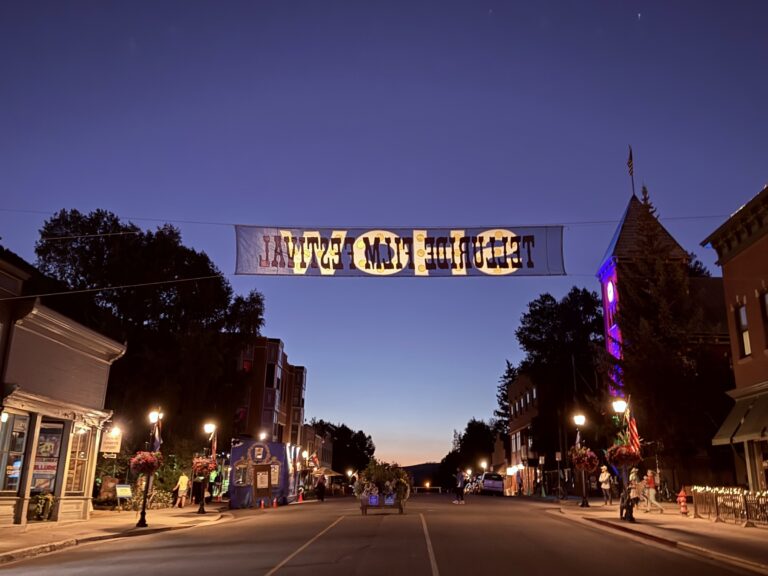
It’s always a bittersweet moment to feel Telluride’s SHOW on the precipice of vanishing back into the mists. By Monday morning, the crowds are thinning and the main street cafes and bars are less likely to play host to celebrity sightings. For what it’s worth, this year’s festival felt especially starry: I was behind Jodie Foster having a conversation (in French) in line for coffee at Telco; sat a few tables away from Jeremy Allan White getting lunch at the Butcher and the Baker (Colin Farrell saw the long line and sought sustenance elsewhere); passed Adam Sandler on the river trail; arrived at the gondola in a rush for a screening steps behind Paul Mescal; and even saw Oprah Winfrey unpacking the Springsteen documentary with friends outside the theater. At one brunch, casts from the Focus Features powerhouse premieres Bugonia and Hamnet traded shifts with the Jay Kelley crew making their delayed arrival from Venice; another event saw Neon’s celebrated collection of films including Sentimental Value and The Secret Agent holding court at dinner before rushing out to catch the final screenings of the night. As always, everyone raved about the magical environment that Julie Huntsinger and her team conjure year after year in which filmmakers and cinephiles can casually share space in a small town, spending the whole long weekend focused on watching each other’s film and seeking creative inspiration. You wish it could go on forever, but the exhaustion of the weekend reminds you why it only lasts four days.
To that end, I only caught two screenings from my last day in the mountains, prioritizing a slower pace and our traditional debrief at Brown Dog Pizza and the city’s finest rooftop views at Last Dollar over forcing in another screening. Quick reactions here and online (@josh-c/@thesunbreak) throughout the weekend, with longer reviews to follow.
Cover Up
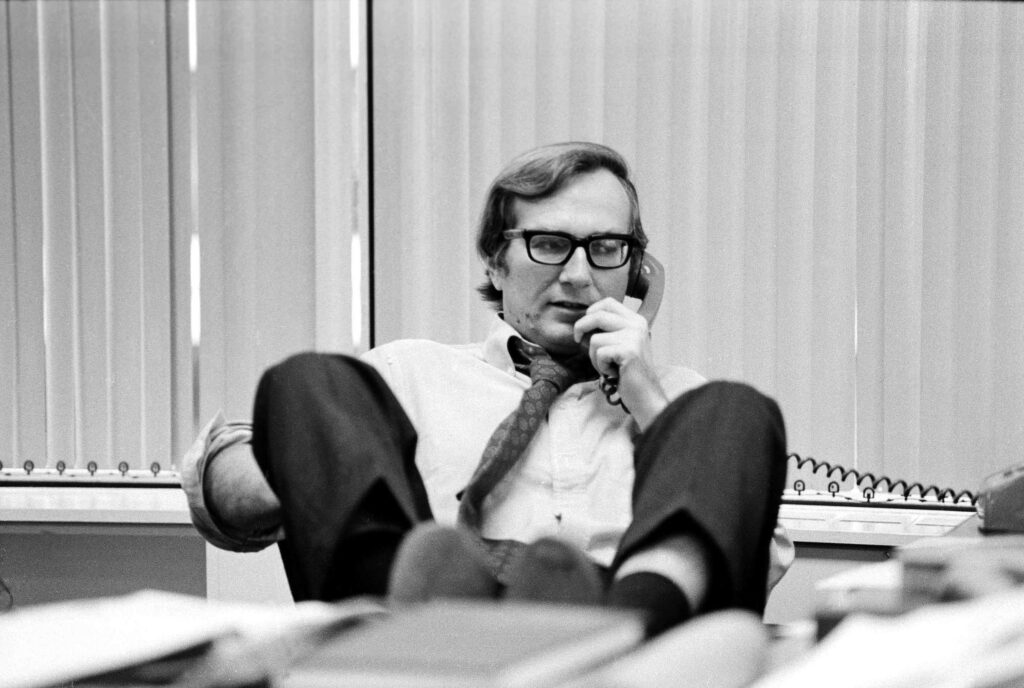
Alas, after twenty years of trying to get him to appear on film, Laura Poitras finally gets a direct-to-camera conversation with Seymour Hersh, arguably among the greatest working investigative reporters of the last half century. On the surface, her latest documentary (co-directed by Mark Obenhaus) feels much more like a straight-down-the-middle “greatest hits” collection compared to her revelatory treatment of Nan Goldin in All the Beauty and the Bloodshed or even the pulse-pounding intrigue in Citizenfour that — for me at least — entirely recontextualized the Edward Snowden affair. We see Hersh’s home office, still full of boxes and boxes of files, notes, and material from a lifetime of reporting. And for much of the film, be proceeds as the sole narrator on a walk through his role in exposing some of the most explosive stories of the century.
Upon reflection, like so many of Hersh’s stories, there’s much more beneath the surface than a simple career retrospective. From his career-defining stunning revelations that began with bringing to light the My Lai massacres, the film quietly celebrates the physical nature of reporting and the attendant personal elements required to go from sniffing out a scoop to delivering a fully reported story. From that horrifying revelation of US military murders of hundreds of civilians in Vietnam, Hersh made a career of carefully listening to a network of sources and seeking out opportunities to uncover malfeasance, corruption, and abuses of power. None came easily, but instead through decades of persistent revelatory investigative journalism and building a reputation of maintaining an intense dedication to preserving the secrecy of his sources.
Still actively writing and practicing his craft, the most prickly moments of the documentary involve even the slightest suggestion of a discussion about the types of people who have turned him on to stories. While his itinerant career at the country’s most storied publications (including the New York Times and New Yorker) has heroically informed the discourse, it’s almost challenging to cheer at the breadth and heft of his resume. It’s there, at the periphery, while being interviewed in a room stacked with folders filled with notes that one can sense a difference of outlook between the documentarian and her subject. As their conversations develops, it becomes nearly impossible to ignore the sinking realization that while the pace of atrocities hasn’t slowed, the resources dedicated to reporting them continue to dwindle.
Sentimental Value
In a festival that saw many films about fathers reckoning with the consequences of prioritizing careers over family (see also: La Grazia, Jay Kelly, even Hamnet and a bit of The Mastermind, sans the introspection) or making art as a balm for old wounds (Hamnet, Springsteen), none held a candle to the emotional effectiveness of Sentimental Value.
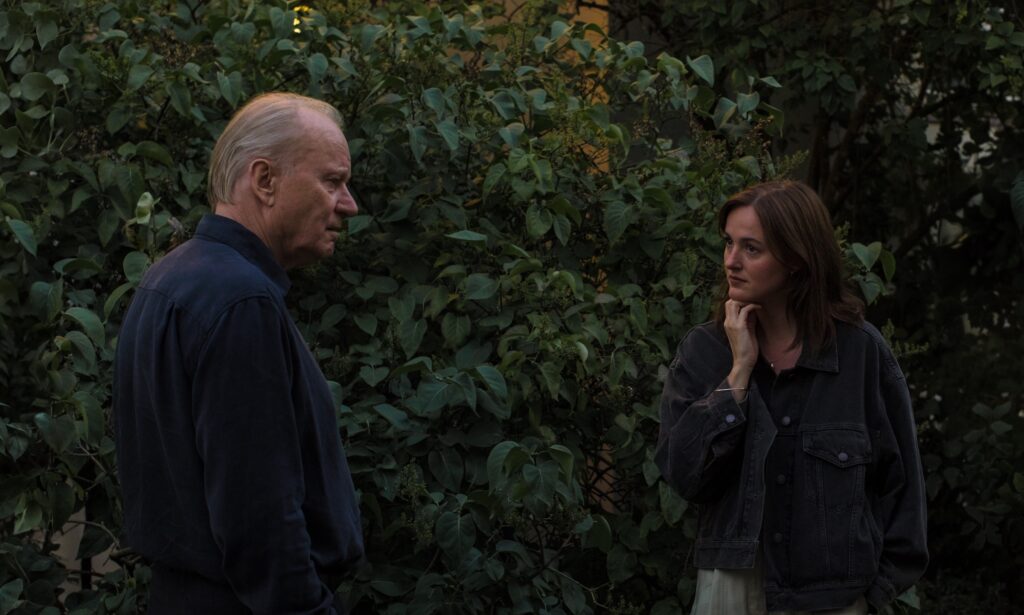
Renate Reinsve plays a celebrated stage actress who suffers from bouts of stage fright and who’s put starting her own family on extended hold. As her estranged and often absent film director father, Stellan Skarsgård’s arrival in the wake of her mother’s death with intentions to make a new film in the family home proves unsettling. The magnetic push and pull between them is exquisite. Elle Fanning, playing an American superstar imported as a stand-in, brings a sense of self-aware longing to the role. Amid titans of Scandinavian cinema new and old, though, Inga Ibsdotter was the film’s most shimmering discovery (to me). Joachim Trier constructs his drama about the hard business of family to unfurl with such intricate precision that you barely notice what it’s up to until it swoons to full bloom and bowls you right over.
A tremendous gift of a film and no better way to put a bow on a festival.