


Klara and the Sun (2026 | USA | 114 minutes | Taika Waititi)
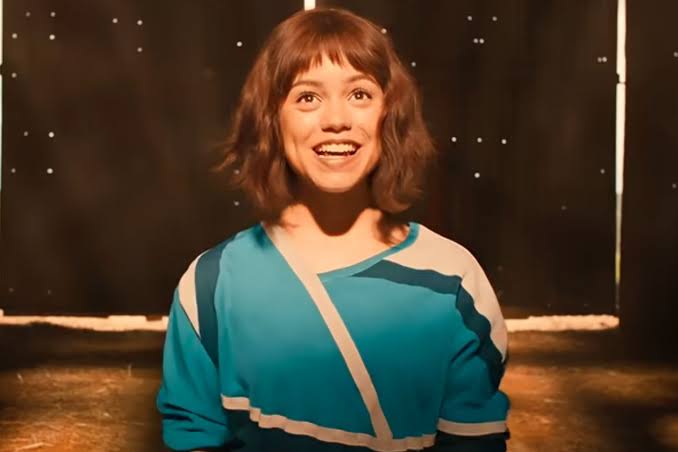
Pity poor Klara, she’s a B1 AF (artificial friend) and the store across the street is selling B3s that can do anything B1s can do, only better. The B3s are better looking, more agile, don’t lose their balance whenever they go outdoors, and will probably not be found standing like a flamingo at any random moment. Obsolescence, like death, comes for us all, but it is often injudicious about scheduling.
Such is the world in Klara and the Sun, Taika Waititi’s adaptation of Kazuo Ishiguro’s 2021 dystopian novel of the same name. It was Ishiguro’s first novel since winning the Nobel Prize in 2017. While the book remains somewhere in a TBR stack that can reach the moon and back, I found the film charming, moving, and occasionally very funny. I know I’m in a very small minority.
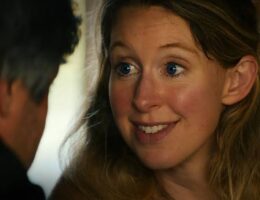
After getting ideal placement in the window of the B1 store, Klara (Jenna Ortega) catches the attention of Josie (Maria Tharia), an abnormally precocious (“lifted”) but socially isolated teen, who is shopping for an artificial friend with her mother Chrissy (Amy Adams). Josie knows she can have a B3 but there’s something about Klara that she cannot live without.
Josie and Chrissy, while wealthy enough to want for nothing, live in the countryside in relative isolation. Their household has experienced more than its share of tragedy. Apart from her mother and housekeeper, the only other human Josie has regular contact with is her next-door neighbor and boyfriend Rick (Aran Murphy, son of Oscar winner Cillian Murphy). Rick is plenty smart but he never underwent the “lifting” process like Josie did (experimental genetic modifications to rapidly enhance the subject’s intelligence).
Despite her immersion in academic theories and classical literature, Josie is drawn to the quirks and imperfections of Klara when it’s time to find an artificial friend: the clumsiness, the naivety, the over-reliance on the sun.
What emerges is less a conventional science-fiction story than a modern fairy tale. It doesn’t break new ground but its charms worked on me.
As a gifted student in grade school many eons ago, I found the scene where Josie is around her fellow “lifteds” incredibly funny and recognizable. We’re all kind of terrible and too smart for our own good. Being singled out for my intelligence wasn’t always pleasant, but being surrounded by other gifted kids didn’t necessarily make childhood any less awkward.
Beyond the familiar social awkwardness of gifted/lifted children, I was also taken with the world Waititi created around them.
I’ve always had a particular fondness for world-building, though it can’t carry a film on its own. I have aphantasia, meaning my mind doesn’t create visual images on its own, so I especially enjoyed seeing how Taika Waititi adapted the world Kazuo Ishiguro created.
There’s another reason I may have been more receptive to Klara and the Sun than most critics: I consider myself a 51% AI optimist. AI is already making the world more accessible in ways that are practical, not merely theoretical, but I’m hardly unaware of the potential consequences for jobs, creative work, and the environment.
I understand why Klara and the Sun might not work for everyone. Its sentimentality can be a bit much, and its ideas aren’t especially revolutionary. But I found its peculiar little world and the friendship at its center enormously appealing.
_____________________________________
Klara and the Sun opens in theaters on Friday, October 23.