
The 52nd Seattle International Film Festival ended on Sunday with the Golden Space Needle Awards and a full day of theatrical screenings. Before this year’s SIFF Effect fades into the ether draws to a close, the SunBreak team gathered our thoughts on this year’s festival.
Overall take on this SIFF … did you feel the SIFF Effect and achieve Optimal Cinelation?
Or, What number would you click on this year’s new QR-code scoresheet?
Chris: You could definitely say I achieved maximum cinelation. I’ve been writing about SIFF for almost twenty years. I believe this was my eighteenth SIFF in nineteen years (damn you, COVID) and this was 100% my favorite. Even though there was only one party (that I didn’t attend), I thought this year was the strongest programming lineup in recent memory. I only saw a large handful of films this year but thoroughly enjoyed all of them. I believe only two films I saw were not on standby. The opening and closing night films both made my top five list. Plus, I had five minutes to geek out over two of my favorite movies with Olivia Wilde on the closing night red carpet because she has been outspoken about how they influenced her excellent new film The Invite.
Morgen: This year I got my engines revving early with some at-home screeners because I had a BTS concert to get to during the second weekend of SIFF. I was a bit bummed about the timing, especially now that the whole festival only spans two weekends rather than a month like SIFFs passed. However, I feel like I got a great mix of films under my belt before I hopped the plane Friday. Cinelation? I don’t know about that, it was a smaller scale fest which of course made for fewer options. My initial feeling was that a lot of the films were dark, sad or stressful. That switched gears a bit later in the week when I focused on films that looked to be on the lighter side. I’ve not had to dig for funny, sweet or even romantic options in the past and so many films this year had a negative bent to them. That doesn’t mean the films were bad in any way, it was just exhausting to see more than one or two at a time.
Josh: Due to some competing travel and nagging allergy season I didn’t go full immersion in SIFF but the parts I saw merited a 3.5 to a 4.0. There’s something tough about a film festival close to home where it’s much easier for “real life” to intrude or distract from festival-going.
Still, between SIFF and Sundance, I saw over 20 features that played this year’s festival, and liked most of them. Overwhelmed by the sprawling program, I decided to see as much as I could of the Northwest Connections Program (incredibly solid — from very good to really great across the board from strong narrative features like Assets and Liabilities and world premiere sci-fi drama Again Again as well a knockout documentary collection headlined by Powwow People) and the Official Competition (much more of a mixed bag, a few standout favorites and a couple that just were not for me, which seems like the right mix for a collection that aims to challenge), plus a few other titles that caught my eye via festival buzz.
Tony: All told, my SIFF experience was good, and I even hit proper cinelation one day last week (more on that later). Over the last few years, the Seattle International Film Festival has morphed from a near-month-long monolith to a taut ten days. That very condensed experience made things feel inherently frenetic, especially when life and an increasingly demanding day job conspired to gum up the works for me. That said, I saw 14 movies over the course of the festival—the majority of which were good-to-great. And in a first-ever for my coverage of SIFF, I saw all of my festival selections in a theater as God and SIFF intended.
I’d likewise give SIFF 2026 an overall 3.5 – 4 out of 5.
Let’s get into it, the Golden SunBreak Awards: Best Narrative Feature
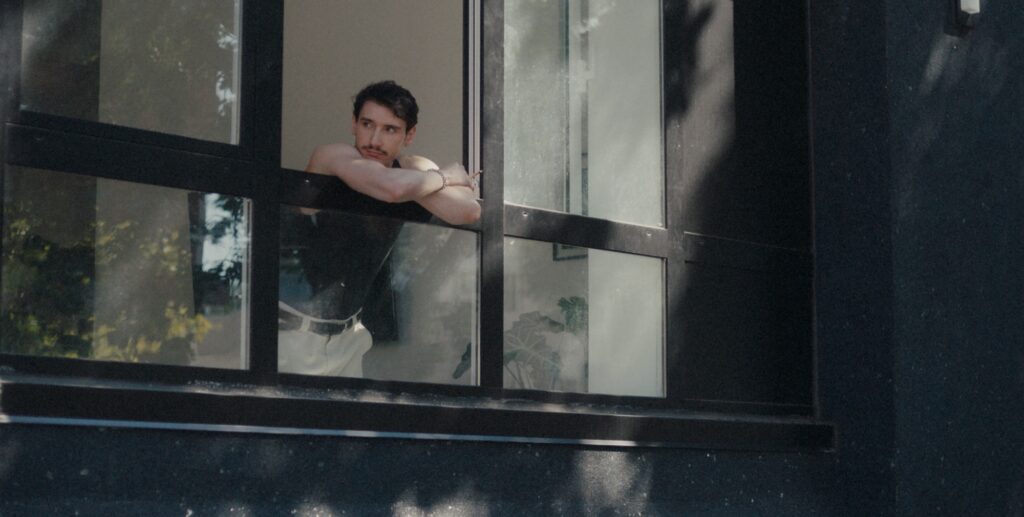
Josh: My favorite narrative feature was probably Drunken Noodles, a series of vignettes stretching through a few days spanning two summers in the life of an arts graduate student, one during a stint petsitting for a cat while interning at a New York City gallery, another spending a weekend with his intimacy-challenged boyfriend in upstate New York. Seamlessly blending depictions of a handsome guy making fleeting erotic connections with other with surreal flourishes, it plays like a languid realistic fantasy with terrifically observed vibes. (Whether the degree to which casual encounters play out so effortlessly and rewardingly is fantastical or realistic also probably varies a lot, depending on how much someone looks like Laith Khalifeh, who makes for a very alluring protagonist, holding the screen and the attention of other characters with equal ease.) The fragments play out in reverse chronological order, each informing the previous with new depth, until they circle back to the present day with technology interfacing unexpectedly with the past. With its mix of careful observation, realist depictions, and intrusion of dreamlike qualities, it’s an excellent hang.
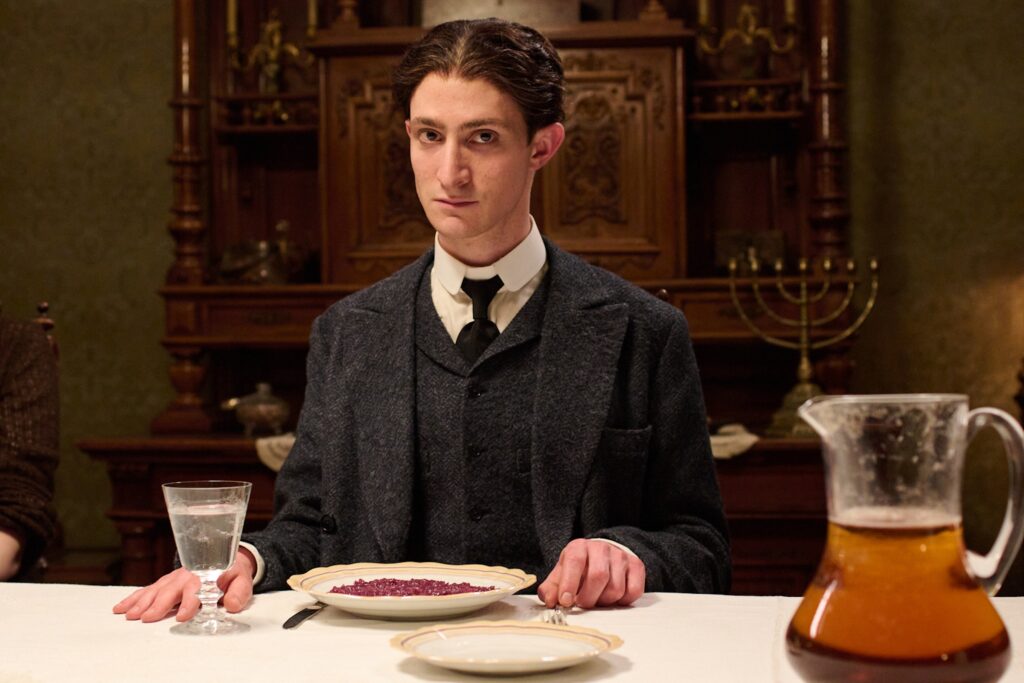
Morgen: I have to mention Franz first. I’ve been a Kafka fan for a long time. It’s been ages since I read Metamorphosis but the emotional impact and flat-out weirdness of Kafka’s storytelling is what seared those stories into my brain. Typically, you know the editing is really impressive when you don’t notice it at all and the flow, the story and the actors all work seamlessly to create an experience. This is true of Kafka, but it was so well done, both the script and the editing, that I couldn’t help but notice. It was pieced together in a way that should not have worked. It wouldn’t have worked if it weren’t incredibly well thought out and organized. But the entire film, I felt like I was either in one of Kafka’s stories or being pulled along with one. It was so odd, so unconventional, yet perfectly fitting to the tell the story of a man who himself is odd and unconventional. I think Franz would have approved.
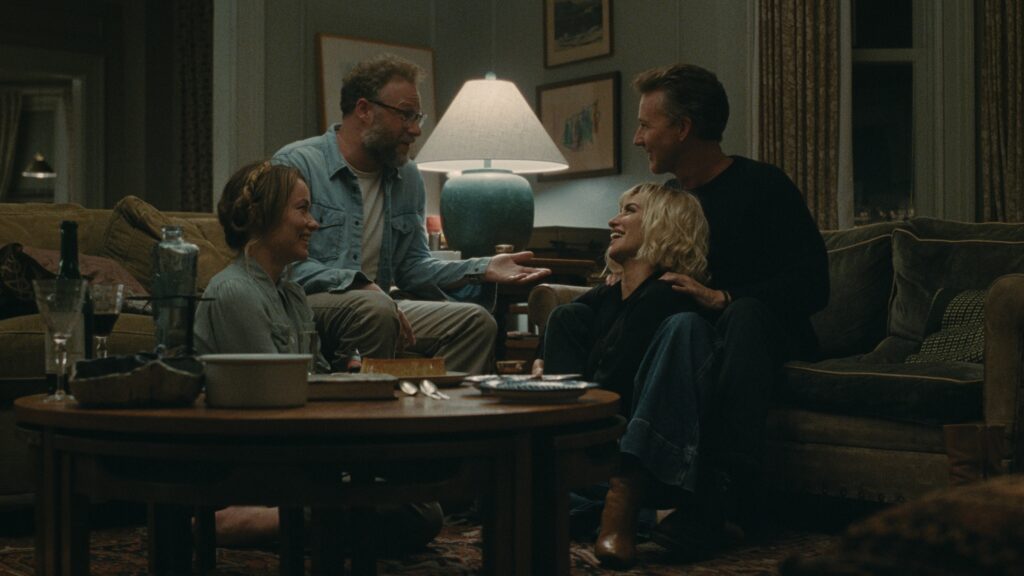
Chris: If there was a movie that was ever designed in a lab solely for me to enjoy, it would be the closing night film, The Invite. Though I do bring some bias to this (see above), I believe the film stands on its own as the best of the fest. Updating Who’s Afraid of Virginia Woolf with a different comedic sensibility, the movie is tense, hilarious, well-acted, and incredibly potent. Olivia Wilde directs and stars in a one-location dramedy about a dinner party between two couples (Wilde and Seth Rogen, Penelope Cruz and Edward Norton) that goes disastrously off the rails and forces all parties to confront secrets that they’d rather keep dormant.
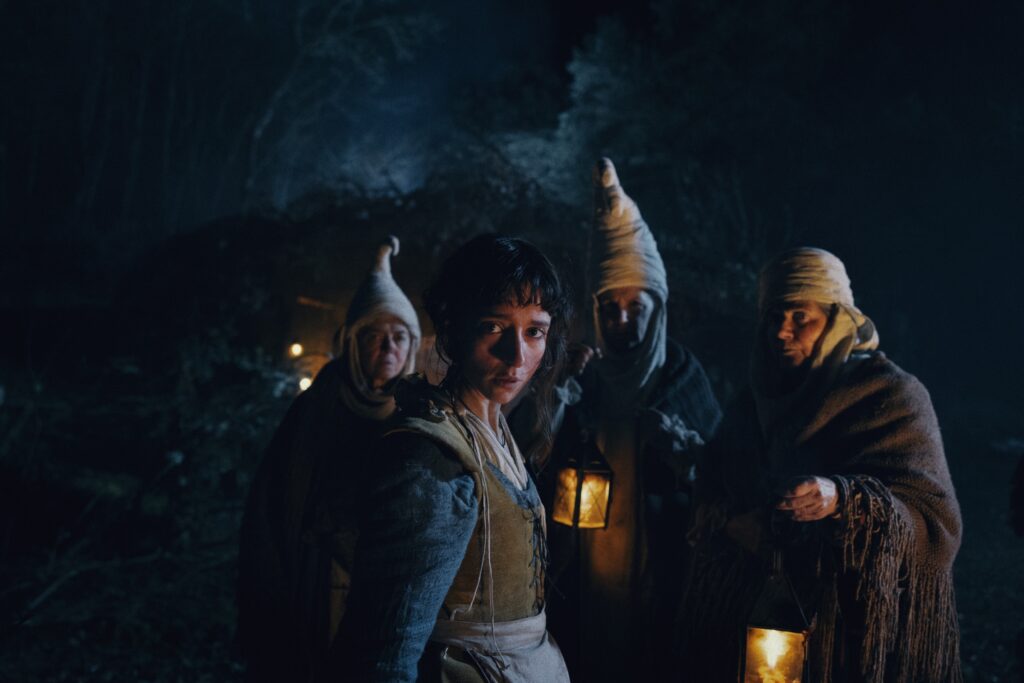
Tony: I saw a lot of great stuff this time around, but two movies really stood out, both of which were period dramas that dove down the rabbit hole of the very, very dark folk/fairy tale. Gaua marks the third feature film from Paul Urkijo Alijo. Based on his track record, he’s evolving into a singular auteur with an aesthetic that dwells somewhere between Guillermo del Toro and Robert Eggers, with a liberal dose of European absurdism and dark humor stirred in. Gaua ostensibly follows the adventures of young Kattalin (Yune Nogueiras) as she escapes her abusive husband in 17th century Spain. But Alijo’s crammed everything includingthe kitchen sink into the mix; Kattalin’s search for agency (and escape from her monster of a husband); witches, demons, clandestine lesbian desires, black magic, and atmosphere thick enough to cut with a knife. It also boasts a pretty unique structure that represents an odd sorta-inversion of an anthology movie. Somehow, it all holds together in one fascinating, assured package. Easily the most immersive thing I saw all SIFF.
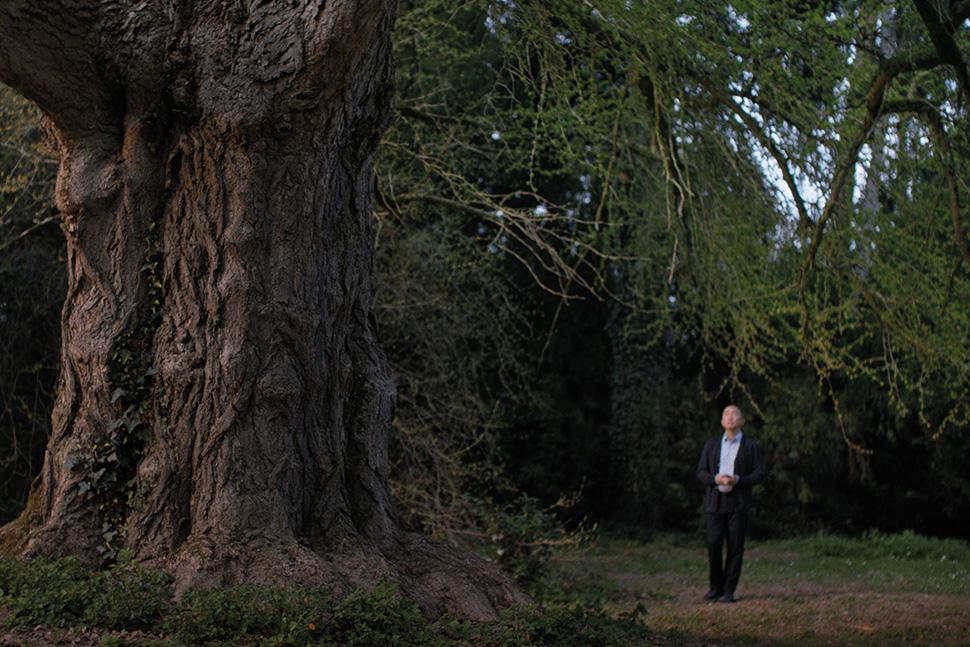
Josh: In terms of immersion, I’d also toss an honorable mention to the nearly three hour long Silent Friend, which played in the Official Competition. Another collection of loosely intertwined stories of isolation and connection, this one ostensibly follows a trio of academics whose foibles play out, separated by decades, in the general vicinity of a magnificent gingko tree on a German college campus. Tony Leung Chiu-wai gives a wonderfully soulful performance as a visiting neuroscientist whose time left (almost) all alone on the Marburg campus during the Covid-19 lockdown finds his interest turning to the thoughts of plants with remote assistance from Léa Seydoux and to the major annoyance of a reticent security guard. A story set decades earlier finds Enzo Brumm as an escaped farmboy studying literature who rediscovers an interest in plants over one languid summer while plant sitting a bourgeois geranium while his beautiful experimental botanist (Marlene Burow) flatmate decamps for a hiking vacation. A third story, set at the turn of the twentieth century and filmed in evocative black & white finds a brilliant young woman (Luna Wedler) overcoming stereotypes to find a place for herself in a deeply sexist scientific lab. That the film and the tree give the same weight to the resolution of these human arcs is Ildikó Enyedi’s greatest joke. For those who missed it, the Tree Movie opens this weekend at SIFF Cinema for a theatrical run that’s worth your time.
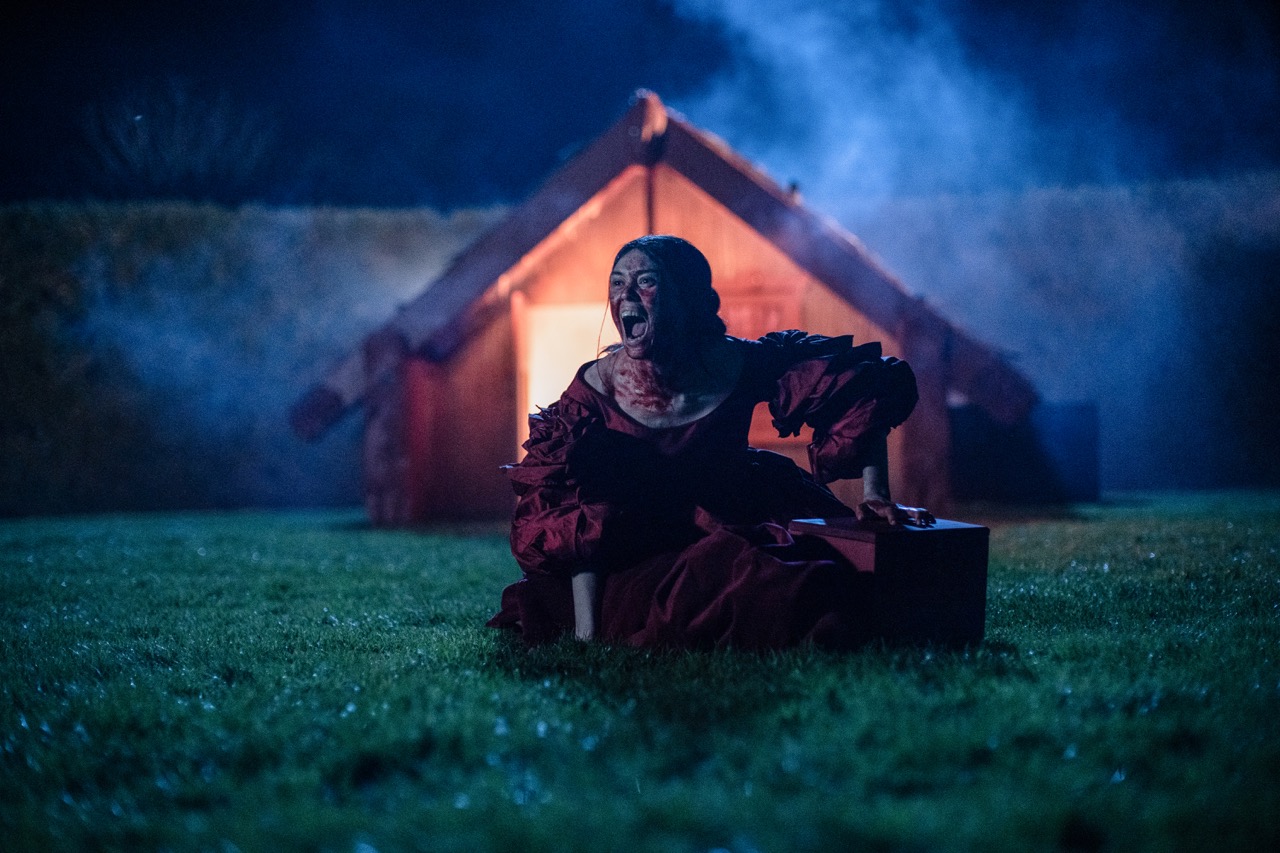
Tony: The other movie that really clicked for me was Taratoa Stappard’s Mārama. It represents an angrier, more blunt examination of a woman overcoming patriarchal abuse and exploitation, this time set in 1850s England. A young Māori woman, Mary (Ariana Osbourne, who’s just brilliant in the role), is invited to become a governess in North Yorkshire for the granddaughter of a wealthy whale hunter. As she gains her sea legs at the job, the gig quickly exposes the deep rot and malevolence of colonialism. Then Mary’s embrace of her heritage—and her outrage at the pillaging of her culture—come to a head in an epic way. It’s shot, decorated, and lit with incredible lushness, which makes its hard turn into violence all the more brute-force effective. I see every misgiving that could put off some, but I was certifiably riveted.
Best Documentary?
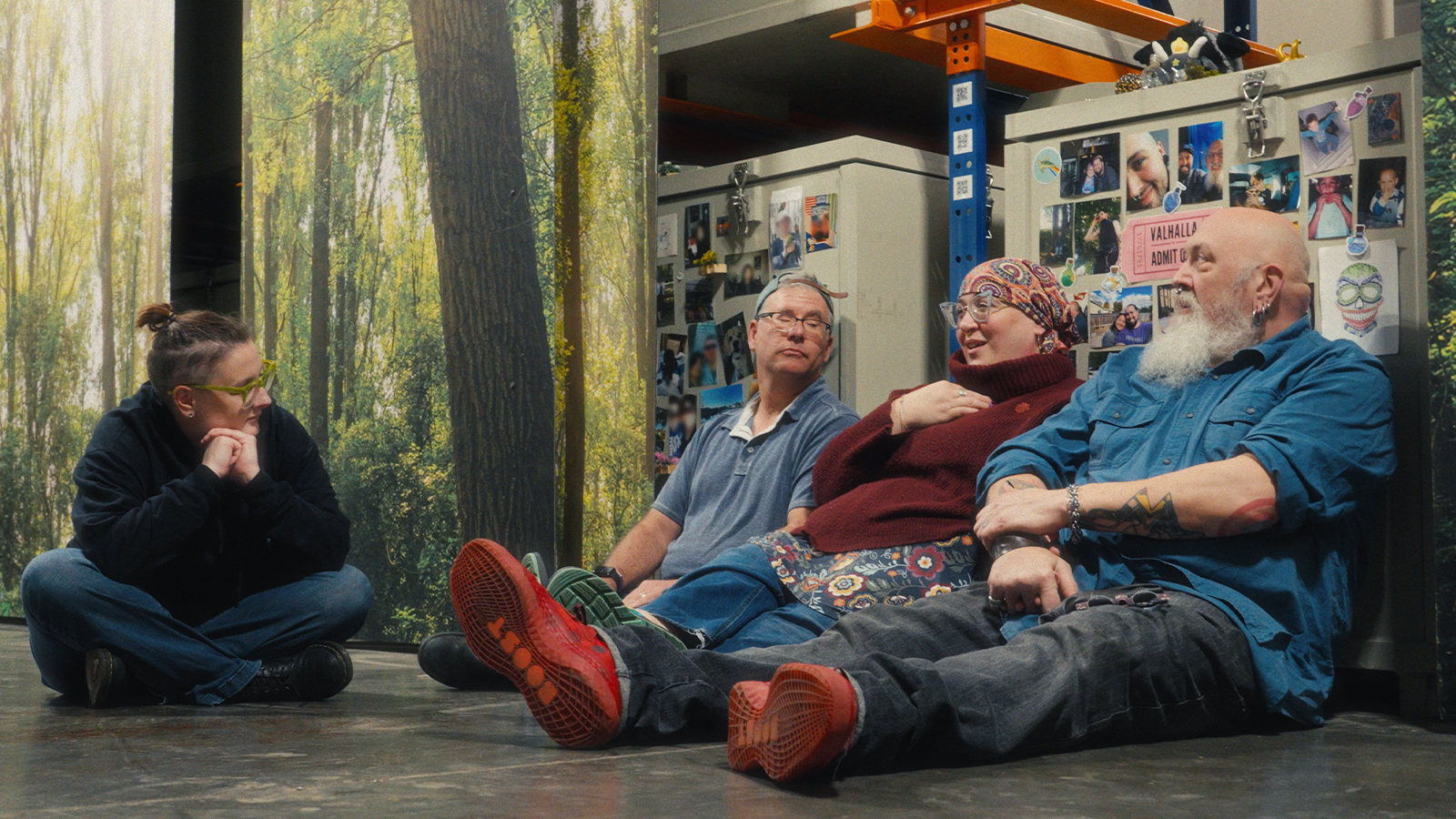
Josh: Documentaries are always popular among SIFF audiences and it was invigorating to see so many truly great locally-connected ones. My favorite that I saw at the festival was The Life We Leave, a moving and compelling story of a local entrepreneur who’s part of a transformative movement toward human composting. On its face, the idea sounds instantly revolting, but getting to understand the process, witness the powerful work that trained funeral directors brought to inventing new customs for grieving, and seeing the effect on families who entrust their loved ones to their care was deeply moving in ways that I never expected. Please, consider this my advance directive that when my time comes, turn me to dirt!
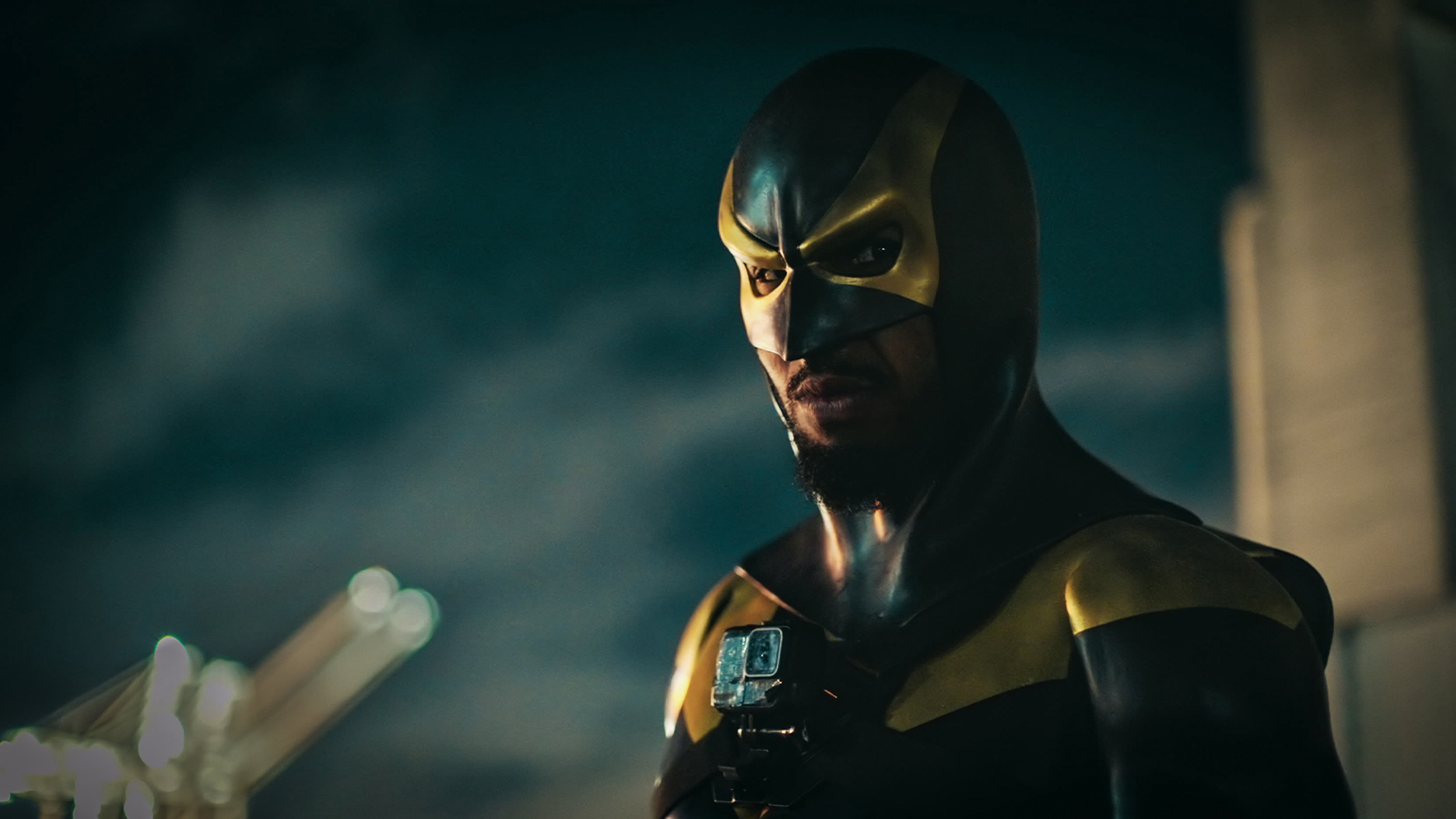
Chris: I really loved two local documentaries, Radioheart: The Drive and Times of DJ Kevin Cole and Phoenix Jones: The Rise and Fall of a Real Life Superhero. The Kevin Cole documentary was incredibly moving about a fixture in the Seattle music community who has a lifetime of bringing people together through music. There were a handful of deeply moving scenes that required tissues.
The Phoenix Jones doc was much different but it captured a surreal time in Seattle lore. Jones is an enigmatic figure full of contradictions and I think director Bayan Joonam does a good job of unraveling the mystery.
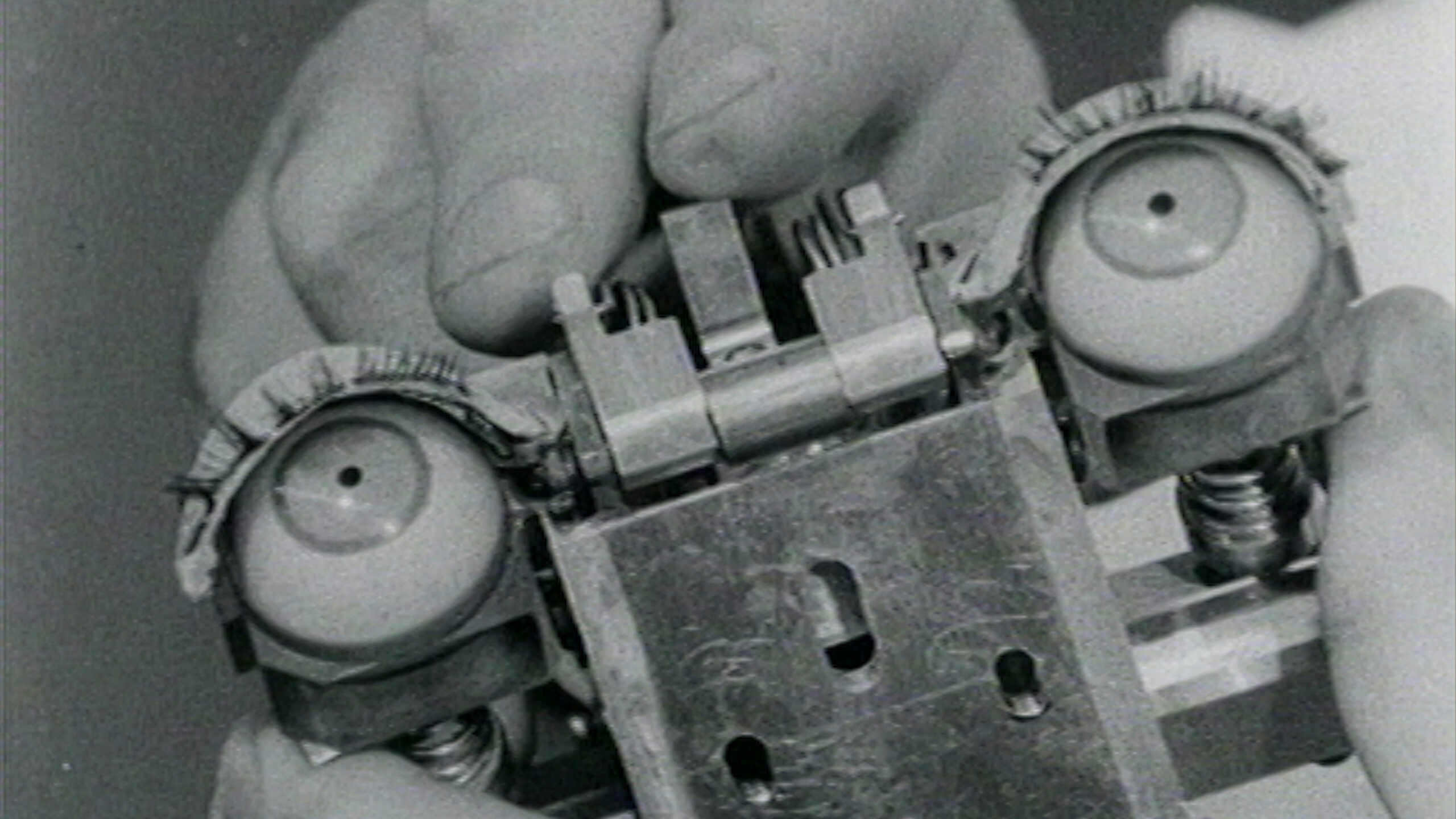
Josh: Although I saw it at Sundance, while we’re mentioning local connections, I’d also mention Ghost in the Machine, an eye-opening and enraging AI documentary. Playing out in a series of chapters, it is deeply informative about the troubled roots of AI as well as deeply skeptical of almost all of its claims. It’s been at the top of my mind for months in terms of cutting through so much absolute idiocy in the field.
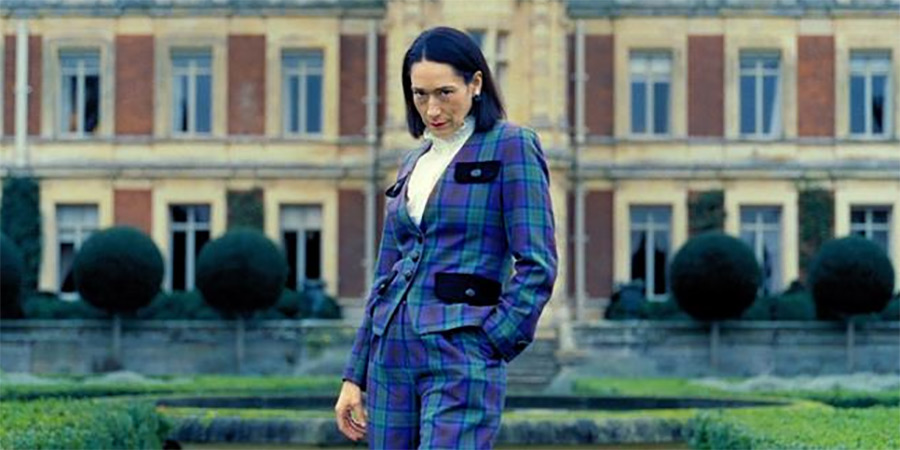
Tony: In a crowded field of docs that all sounded worthy, I wound up not catching a single one, so I shall initiate my own category of Best Mockumentary, and place Lady in the winner’s circle. It starts out as an amusing Grey Gardens riff, with BAFTA-nominated filmmaker Sam (Laurie Kynaston) shadowing rich, eccentric heiress Isabella (Sian Clifford of Fleabag fame). Then it becomes increasingly surreal—think a found-footage movie helmed by Dario Argento andLuis Bunuel. Clifford’s a distinctive, full-on presence, and director Samuel Abrahams trains his spotlight on her as she gradually reveals layers of vulnerability and passion beneath her oddball, shallow socialite exterior. Great stuff.
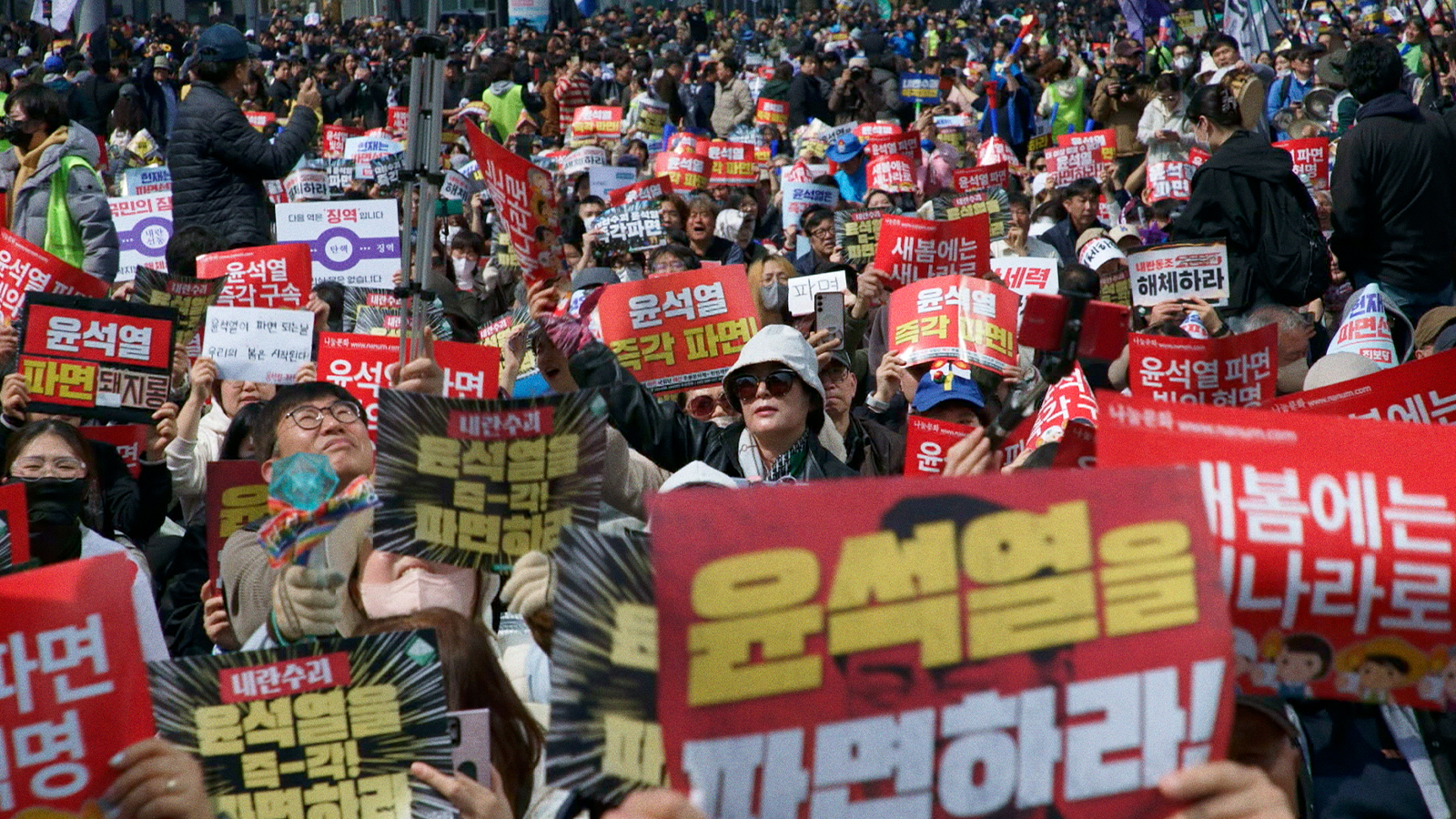
Morgen: I had a couple that really rose to the top. First of all The Seoul Guardians was quite an eye-opening experience. I mentioned this in our opening weekend picks; I had been following along what I thought had been most of the story when Seoul erupted into rallies and riots the night their president declared martial law (and swiftly was voted down and ousted). However, American news barely scratched the surface and this film picks up where that left off. From shaky footage captured by news anchors as they ran into the National Assembly Building before the cops blocked the entrances to civically sourced mobile video as citizens blocked the military invasion with their bodies, it was a truly heroic story of faith in justice, the power of the people and the right to question your leaders. It was beautiful, scary and hit too close to home.
Special mention for Best Performances?
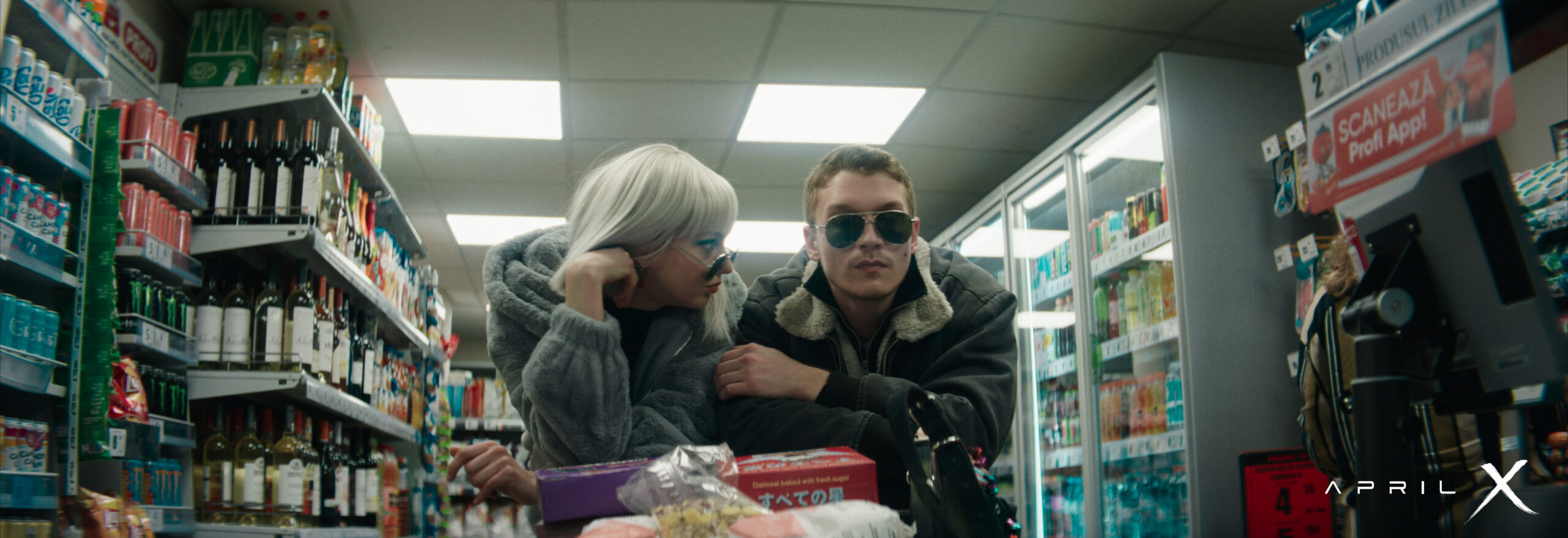
Chris: I was really fond of April X, a sci-fi flick set in futuristic Eastern Europe, though part of the New American Cinema program. It got my first place vote in the Critics Poll. Connor Storrie stars as an Area Man who makes his living in the black-market body-parts industry but finds himself in too deep. He’s fine but his co-star Lilly Krug is phenomenal as his sister who mysteriously vanishes (and then reappears and reappears years later) after trying to get her brother out of his jam. Excellent work for someone who I hope has a big future ahead of her.
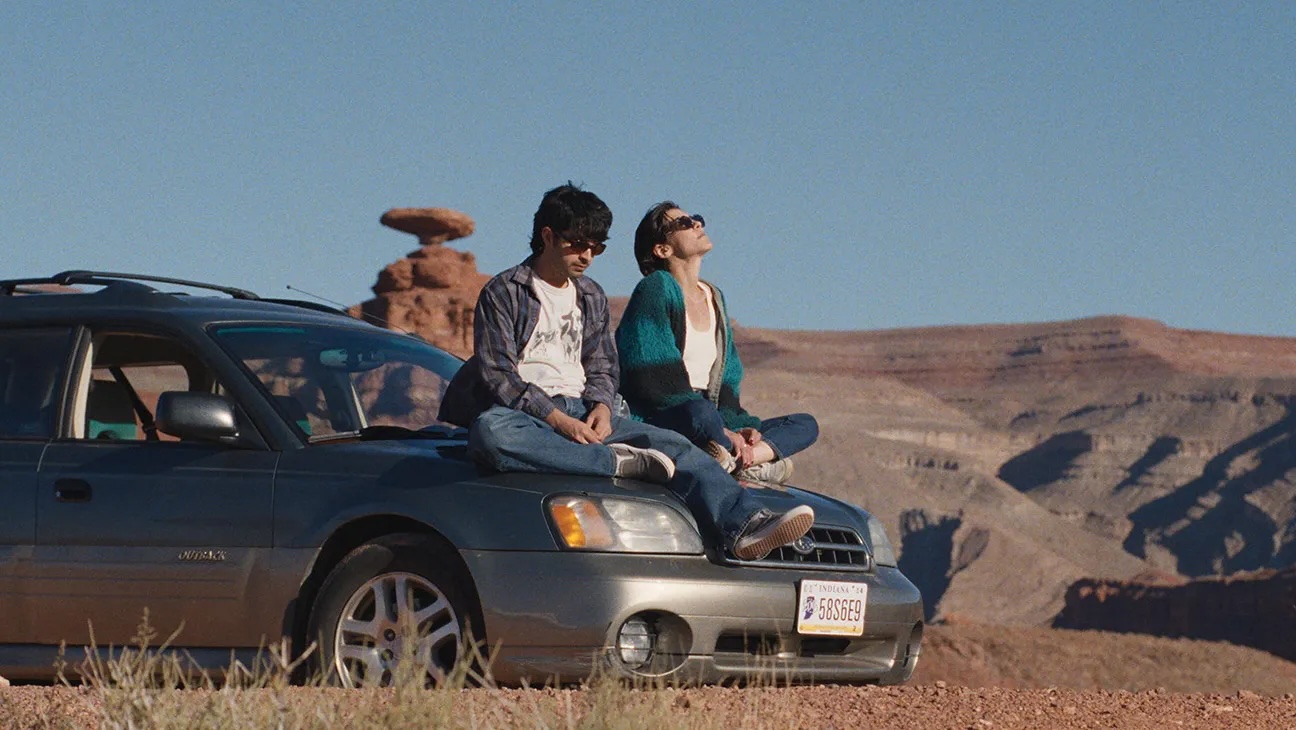
Morgen: Again, there were a few standouts in this category but I’ll keep it brief and narrow down to one. Lubna Azabal in Hot Water was absolutely outstanding. Playing the Lebanese-born Layal, at times she expressed a myriad emotions and personal demons without even saying a word. The playful, yet complicated relationship she has with her son, who is just touching the edges of adulthood, is so well reasoned I would have thought they really were actually related. The quirky moments flowed naturally, the arguments and tension-filled pauses didn’t feel forced and the story resolved in a way that seems true to life; almost nothing that happens to us is completely good or completely bad. The chemistry between her and her co-star/son Daniel Zolghadri contributed to the impact of her performance so he played a role in that as well. Hot Water could have ended up another downer of a film, but instead director Ramzi Bashour made an effort to inject silly moments but in an impactful way.
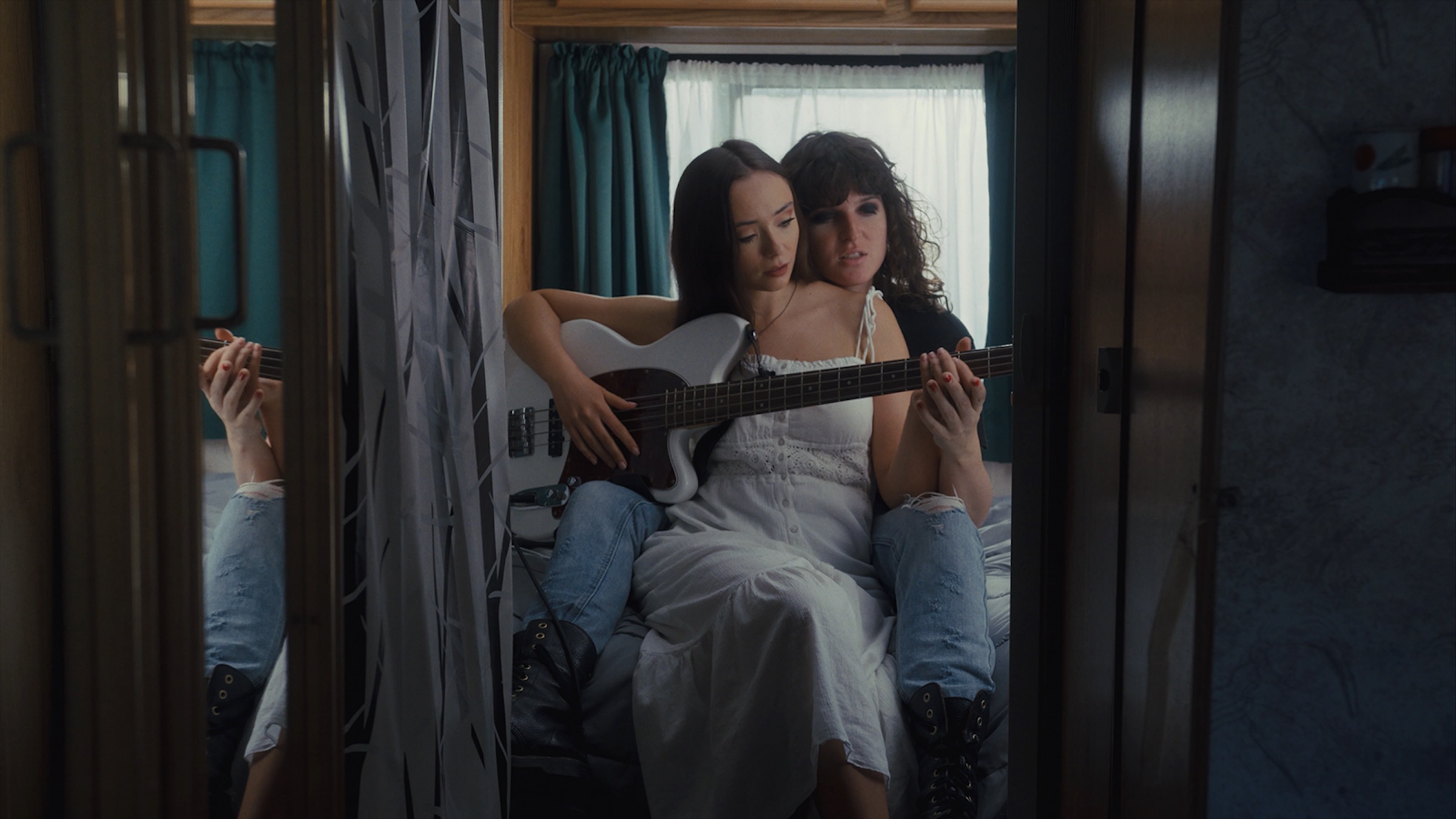
Josh: Drawing again from the stellar Northwest Connections program, I’d highlight the incredible performance of Again Again writer, co-director, and lead Mia Moore Marchant. She brings incredible depth and variety to portray a woman who’s been stuck in a single day time loop with her longtime best friend and sometimes girlfriend. It’s a deeply lived in performance that makes room for the fantasy of a perfect day, the frustration of having lived many imperfect ones, and the anxiety and ecstasy of having escaped it. An impressive debut, across the board.
I’d also mention Ariaana Osbourne from gothic horror Mārama, who plays an indigenous Maori woman who travels to England to uncover the mystery of her past, discovers deeply unsettling secret, and exacts suitably violent revenge. The movie didn’t entirely work for me as well as it did for Tony, but her performance was an unshakeable force.
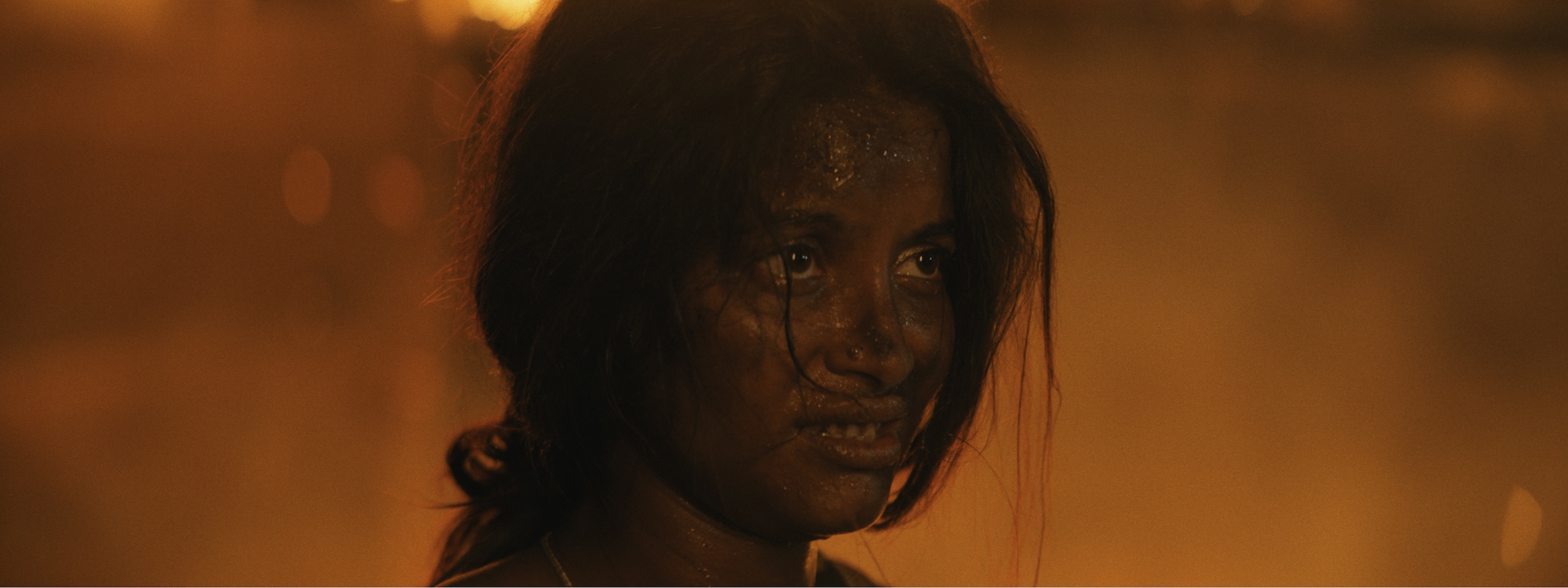
Tony: Both of the leading ladies in Gaua and Mārama (Yune Nogueiras and Ariana Osbourne, respectively) blew me away, but I also wanted to give the leads in Roid, a quietly absorbing little folk tale/allegory from Bangladesh, a shout-out. Mostafizur Noor Imran’s naturalistic, restrained performance as the weary husband to Nazifa Tushi’s naïve, emotionally volatile, wildly unpredictable bride represented the most involving character arc I saw throughout SIFF 2026.
SIFF’s juries and audiences have spoken … our reactions to the winners:
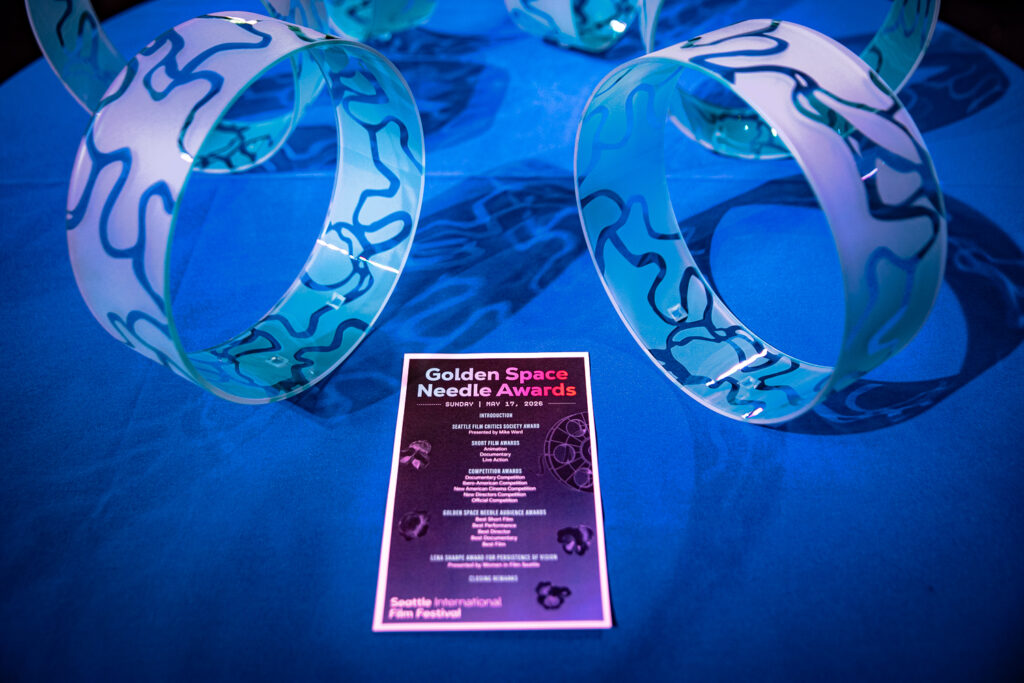
Along with SIFF’s audience awards, the Fool Serious film fanatics and Seattle Critics also released lists of festival favorites. Here’s how they compare:
Golden Space Needle
(Audience Award)
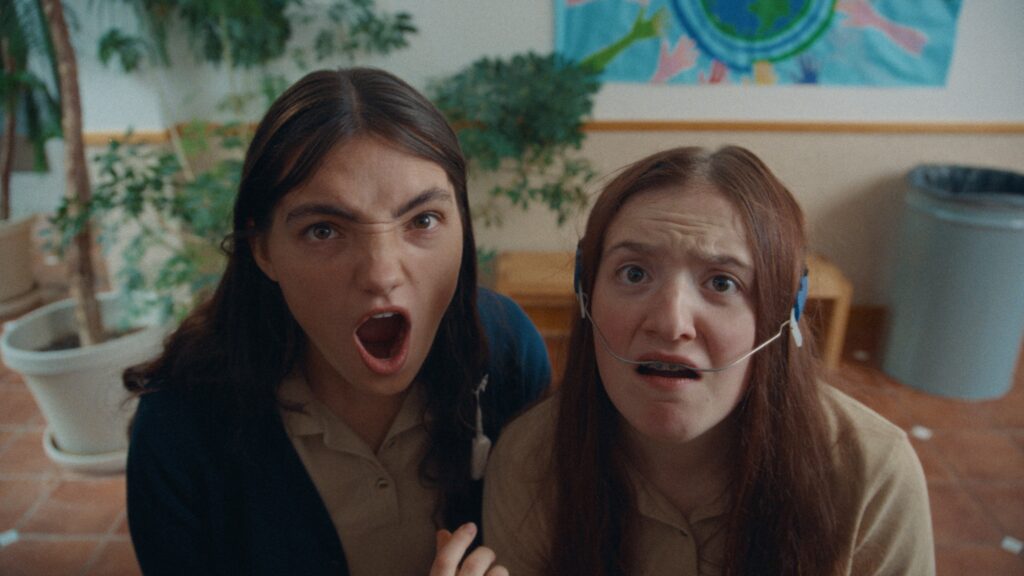
NARRATIVE:
- Eddie Arnold is a Loser
- Happy Birthday
- Meadowlarks
- The Furious
- Mārama
DOCUMENTARY:
- The Life We Leave
- RADIOHEART: The Drive and Times of DJ Kevin Cole
- The Big Cheese
- The Ascent
- American Doctor
BEST DIRECTOR:
Ildikó Enyedi, Silent Friend
BEST PERFORMANCE:
Inde Navarrette, Obsession
JURY: Along with the audience awards SIFF’s juried competition winners included: Mārama (Official); The Garden We Dreamed (Ibero-American); Shape of Momo(New Directors); Lucky Lu (New American Cinema); Birds of War (Documentary).
Fool Serious
(Passholders)
NARRATIVE
- Happy Birthday
- Amrum
- Trial of Hein
- Silent Friend
- Murder in the Building
DOCUMENTARY:
- The Ascent
- American Doctor
- The Life We Leave
- When a Witness Recants
- Boorman and the Devil
Best Director: Fatih Akin, Amrum
Best Cinematographer: Gergely Palos, Silent Friend
Best Script: Remi Bezancon, Murder in the Building
Best Music: Primavera
Best Actor: Paul Boche, Trial of Hein
Best Actress: Lubna Azabal, Hot Water
Best “Guilty Pleasure”: Edie Arnold is a Loser
Josh: I didn’t see a ton of these, but the people, pass holders, and critics all coming up with a different number one film is definitely interesting. I credit some of that to tastes and a bit to the different voting systems. It takes a lot of love to hang out and scan a QR code after a film … I appreciate that counting paper ballots must’ve been a nightmare, but I’d love to see SIFF implement something where you get an email after the screening reminding you to vote. Still, audiences agreeing with me about The Life We Leave is gratifying, Silent Friend breaking into critics and pass holders is notable given the runtime, and everyone loving Radioheart is no suprise given the subject matter and extra screenings. Mārama is also a worthy champion of the official competition; I wish I’d seen it in a theater instead of at home in bed!
Chris: I didn’t get to see many of these either, though I tried to prioritize the movies that were on standby over the ones that appealed to my niche tastes. I do appreciate that there really was no consensus
Morgen: I’m not surprised that Edie Arnold rose to the top for audiences. It was funny, entertaining and a somewhat unique story told in a way that felt authentic. However, it had some issues like throwing in some questionable behavior by some adults just to get a laugh, but glossing over how problematic that behavior was. I really enjoyed Trial of Hein and Again Again, so I’m glad those made someone’s list but there are so many that maybe weren’t hyped enough but didn’t get the attention they deserved. Oh well, that’s what we’re here for right?
Josh: I will say that I walked out of a screening at SIFF Uptown on Friday night (head spinning with what to make of Maddie’s Secret) to see a line of people waiting for autographs from from Again Again’s Mia Moore Marchant on the red carpet. Feels like this festival might’ve been the beginning of a star turn for both her and the film. I love it when SIFF can be a launchpad — for a world premiere, no less!
Final thoughts … Any wishes for SIFF’s future?
Josh: I kinda get it that SIFF wanted to scale back on parties (in its place they coordinated various meetups at local establishments), but I confess that I missed the official closing night festivities as an official gathering to send off the festival. I also happened to be out of town for opening night and triple booked for the Golden Space Needle awards; so some of this is on me for not engaging more personally in achieving optimal Cinelation this time around. On the other hand, I live in the city and though I missed the light rail proximity of Pacific Place, I acknowledge that condensing the venues around SIFF’s campus and stocking the Downtown SIFF-erama and PACCAR IMAX with a variety of feature films was a pretty cool way of making the event feel like a festival village rather than a series of scattered screenings.
Morgen: I really hope they’re able to lengthen the fest a bit more next year, but I understand that budgets are tight all around, especially for the arts, so I’ll take what I can get. Keep on keepin on, we love you SIFF and we are invested in keeping you around. Otherwise, I enjoyed myself both at home absorbing as many films as I could and surrounded by the energy of film-goers excited for something new. I even chatted with a few people here and there and all of them were having a fantastic time SIFF-ing.
Chris: I agree, Josh, about missing the closing night party (though I would’ve been insufferable at it), and, honestly, the opening night party too. It sold out before we knew it wasn’t included in our press tickets. Still, I very much enjoyed this festival more than in recent years. Last year seemed like a down year, from what I remember. There seemed to be a lot of key staff members who didn’t return this year and it felt like there were a lot of movies that I liked the politics of more than I liked watching the actual film. But this year felt like a more focused SIFF. A lot of the screenings I went to were sold out or nearly full and I suspect as many as four movies could be on my best of 2026 list (The Invite, April X, I Want Your Sex and I Love Boosters). I really appreciated this newly-focused SIFF and I hope they keep the same momentum next year.
Josh: The staffing challenges are definitely concerning and my fingers are crossed for SIFF to remain a vital part of Seattle’s filmgoing culture both through the annual festival and year round. They’ve built an impressive collaboration with Grand Illusion while that group’s daring curators seek a permanent home, too. So despite grumbling from some quarters about the festival shrinking, I very much appreciated how any behind-the-scenes constraints pushed for tighter and more rigorous curation of the festival itself. I’d pretty much always prefer a festival with slightly fewer titles so long as it means that the lineup is stacked with the best of the best. A ten day festival is tough to navigate, so slightly fewer films with more showings would be a welcome course correction. I did like how this year’s schedule left space for TBAs, allowing a wild surprise addition (Maddie’s Secret, what a trip!) as well as room for extra screenings to be added for films that sold out so quickly. Giving the stars of the festival more room to shine was a very welcome facet.
Tony: I fully respect that SIFF’s needed to tighten their belts some on the party front, but I too miss having a Closing Night Gala. And given the sprawling nature of past Opening Night Galas, I likewise understand the need to scale that back as well.
Given the utter pummeling that nonprofits in general and arts nonprofits in particular are getting from the current administration, the fact that SIFF’s standing at all is a cause for celebration. And when it comes down to it, every quibble I harbored about SIFF 2026 (and there really weren’t many) largely seemed like a side effect of a lower budget. Blessedly, what really counts most at the Seattle International Film Festival—the film curation—remainspeerless. Things ran well overall, and the films I saw largely rocked my world: Long may SIFF survive and thrive.
Josh: So say we all, congrats to everyone at SIFF from staffers to volunteers for pulling off another impressive edition!
The 2026 Seattle International Film Festival runs from May 7-17. Keep up with our reactions on social media (@thesunbreak) and follow our ongoing coverage via our SIFF 2026 posts