
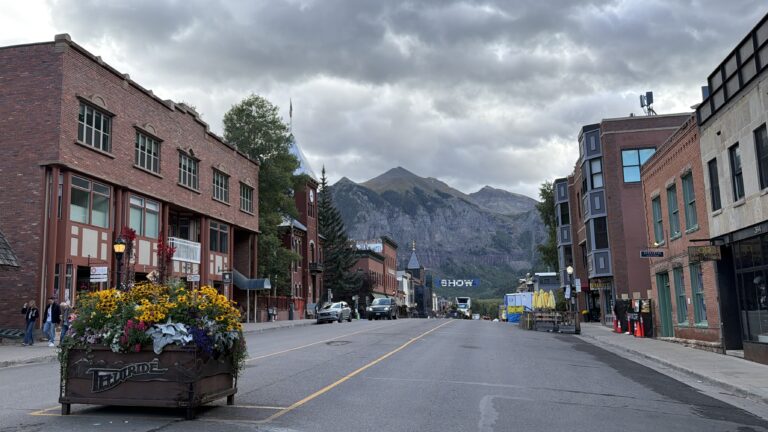
Telluride 2026’s 53st SHOW is off and running (and I’m gasping for air dashing around town to catch as many movies as my human body allows me to over the weekend). Will be posting quick reactions here and online (@josh-c/@thesunbreak) throughout the weekend, with longer reviews to follow.
YOU CAN SEE EVERYTHING (Nathan Fielder and Lance Oppenheim) — World Premiere
In a first for me at Telluride, the title of a TBA film was kept under lock and key until everyone was in the theater and all of our phones were sealed in technology pouches. Speculation in town ran rampant with wishcasting for what could require such ultra-secrecy, but the mystery made it the hottest ticket in town.
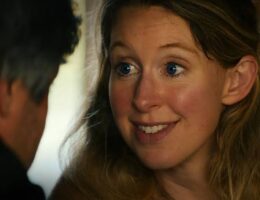
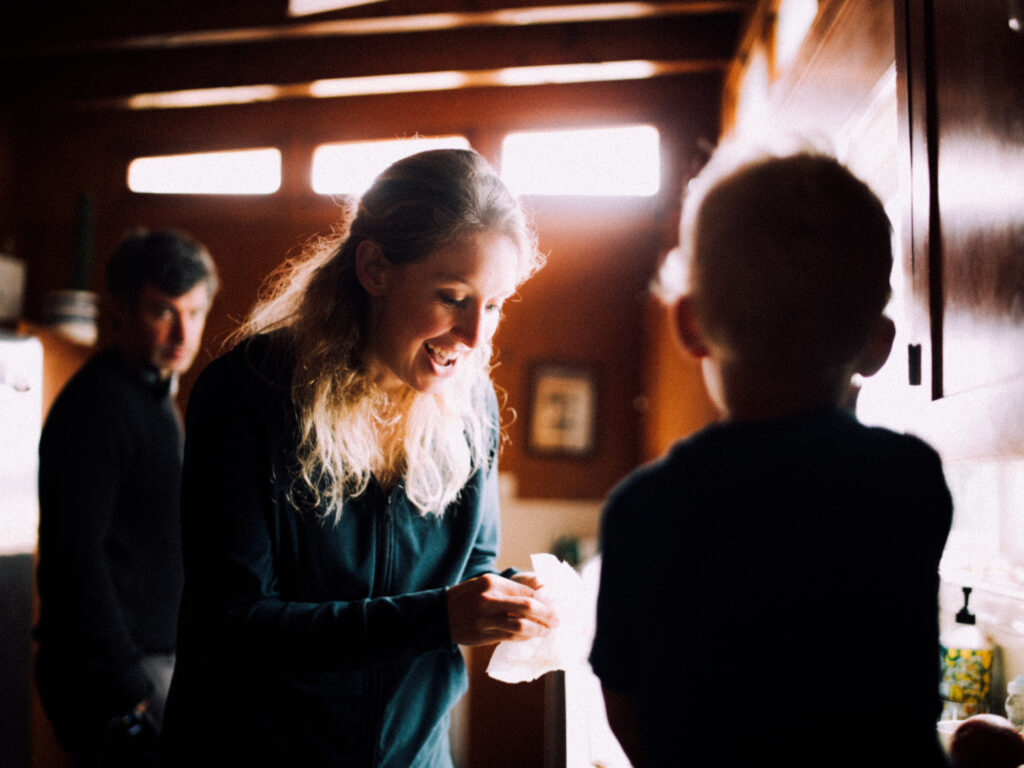
Before walking into the Herzog tonight, I could not imagine wanting to hear another second about Elizabeth Holmes, but as an incredulous audience surrogate witnessing her homelife in a rented San Diego beachfront cottage in the weeks before entering prison Nathan Fielder proved me dead wrong for 174 consecutive minutes. Having not appeared in public for nearly a decade, she and her new boyfriend Billy invited a documentary crew to observe them in these lingering moments before surrendering to serve her sentence for defrauding investors to the tune of half a billion dollars with Theranos’s rapid-testing scheme. That Fielder was her choice of live-in observer makes the whole project instantly surreal, to the extent that having not kept up with Holmes in the intervening years I wasn’t even sure if it was actually her on screen or if we were watching a bigger cinematic scaled version of a Rehearsal-style reenactment. It is really them and indeed they go about their days, enjoy the seaside retreat all while inexplicably making plans to spin up another version company. Amid these preparations and quiet family moments, they chat with an incredulous Nathan as viewer surrogate, drawing him out of the corners of the frame into a main character in the story. Scene after scene, twist after twist, intimate close up after unsettling close up, his electrifying new documentary made with Lance Oppenheim knocked the wind out of me like nothing else. It’s shocking and hilarious, a major ascent to the summit of a slippery form of storytelling that he’s been establishing as a trademark.
It’s nearly three hours long, but almost no one in the 600+ auditorium (a hockey rink converted into one of the best cinemas in earth) moved during the screening. The first half broadly attempts to question what exactly was (is) going on with Holmes and her understanding of things like her crimes, culpability, and the meaning of truth. The second half investigates the major question of how the documentary crew came to be involved at all, including major puzzles about agency and intent. Fielder’s persistent befuddlement and determination to understand Holmes and the increasingly creepy Billy take an incredible series of turns that explode the documentary form itself to thrilling heights. The filmmakers asked that this rarefied air audience preserve as many secrets as possible, but I am not exaggerating when I say that many interactions — including an early scene using one of the most famous comedy bits of all time as a teaching tool — were so chilling that I found myself nearly unable to breathe in disbelief. A second act twist hit like an out of body experience. True to the title, even when you can indeed see everything, the fascinating veil between the truth and the unknown mean that some questions remain persistently murky.
During the screening, a trailer dropped, and I can’t recommend highly enough setting aside time to see it when the film hits theaters in October. This is easily the best film of the festival and likely one of the most electrifying of the year. Great art can’t be spoiled but I’d still urge seeing it as soon as humanly possible to experience it with as fresh of eyes as you can.
ONCE UPON A TIME IN HARLEM. (David Greaves and William Greaves)
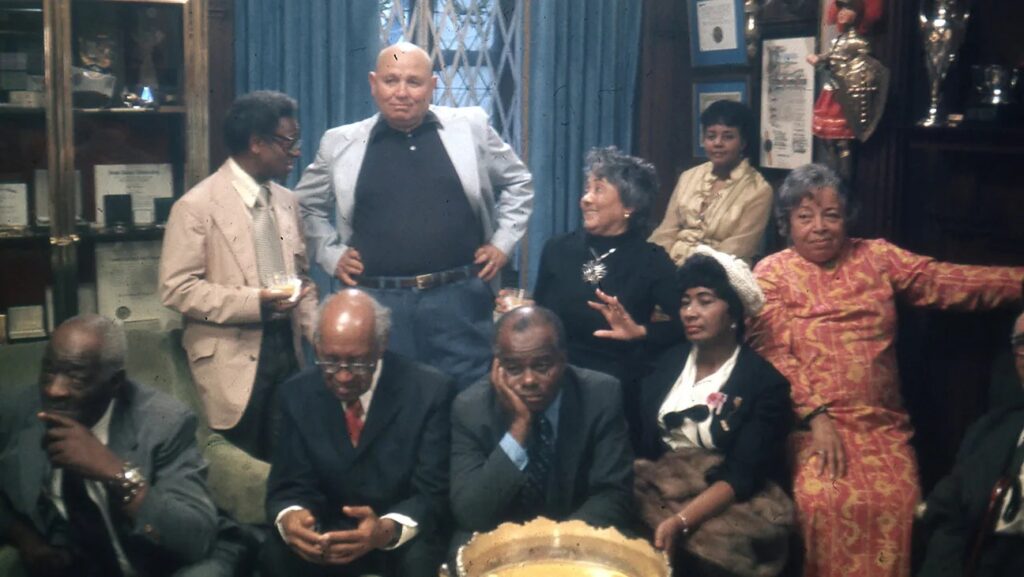
A bunch of senior citizens wander into an afternoon party. The place fills up, they sip punch, get reacquainted. The conversation zigs and zags. Every so often someone shouts out a topic and an old friend will opine to the crowd. Oh, and it’s 1972, Duke Ellington’s place, and they’re the surviving luminaries of the Harlem Renaissance. What a miracle that William Greaves filmed and organized this gathering, and what a tremendous gift that his son assembled it into a compelling document to be appreciated for generations to come.
FJORD (Cristian Mungiu) — North American Premiere
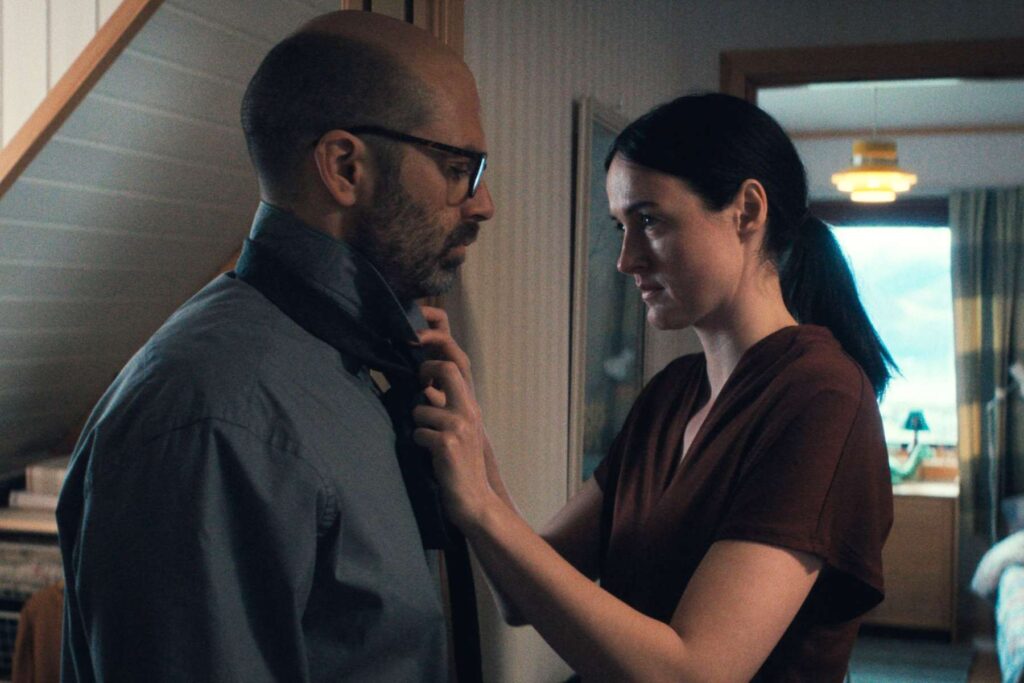
It takes a lot to incite my sympathy toward the choice of a strict religious upbringing. Cristian Mungiu’s highly schematic dramatization of a real life case in Norway pits the absurd absolute certainty of the liberal administrative state against the unknowability of the inner workings of an immigrant family. With another in an ongoing run of remarkably unglamorous performances from Sebastian Stan (reunited here with ever-stellar Renate Reinsve) and a host of cinematic flairs natural and magic in a scenic seaside village, he almost moves the needle.
An assuredly executed conversation piece, perfect for dissecting in festival queues.